
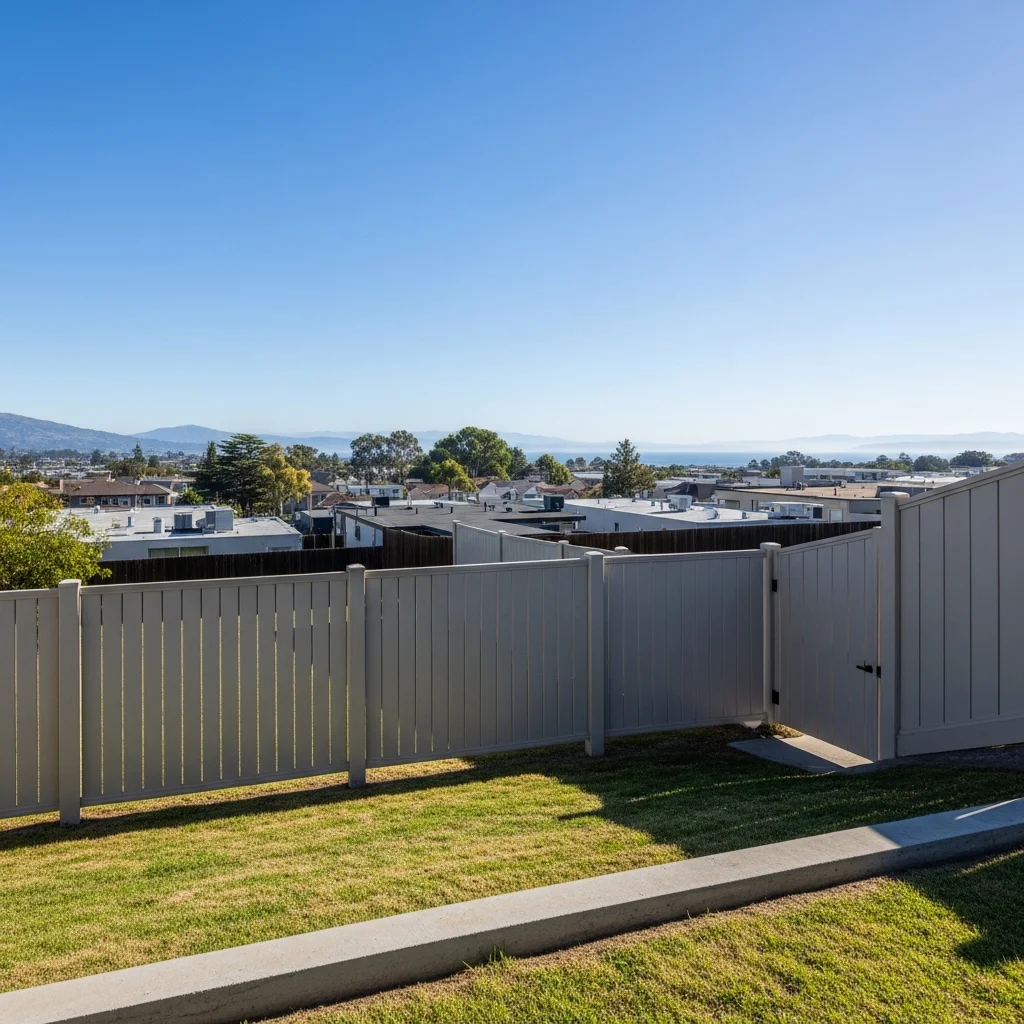
In a competitive market, choosing the right fencing options for commercial properties is essential for enhancing security, aesthetics, and functionality. The San Francisco Bay Area is home to diverse businesses that require tailored fencing solutions to meet their unique needs. Understanding the various materials and styles available can significantly impact your choice. This guide will explore essential fencing options for commercial properties in the Bay Area, helping you make informed decisions.
Understanding Commercial Fencing Needs
Commercial fencing serves multiple purposes beyond simple boundary definition. The primary considerations include:
- Security: Protecting assets, products, and personnel from unauthorized access.
- Aesthetics: Enhancing the visual appeal of the property to attract customers and clients.
- Durability: Selecting materials that withstand the local climate and potential wear and tear.
- Compliance: Meeting local regulations and zoning requirements.
Recognizing these needs will enable you to choose the most suitable fencing options for your business.
Popular Fencing Materials for Commercial Properties
When it comes to commercial fencing, several materials stand out due to their unique features and benefits. Here’s an overview of the most common materials used in the Bay Area:
Chain Link Fencing
- Cost-Effective: Chain link fencing is one of the most affordable options available, making it ideal for businesses on a budget.
- Visibility: The open design allows visibility, which can deter vandalism and trespassing.
- Durability: Galvanized steel provides a strong, rust-resistant barrier.
This type of fencing is commonly used in industrial areas and schools, providing secure perimeters without obstructing views.
Iron Fencing
- Strength: Iron fences are incredibly durable and can offer a high level of security.
- Aesthetic Appeal: Ornamental iron designs can enhance the beauty of any commercial property.
- Longevity: With proper maintenance, iron fencing can last for decades, making it a worthwhile investment.
For businesses looking to combine security with elegance, iron fencing is a top choice. Consider options like our Commercial Iron Fence Installation for a robust solution.
Steel Fencing
- Robustness: Steel fences provide superior strength and security compared to other materials.
- Customizable: Available in various styles and finishes, steel can be tailored to match the aesthetic of your business.
- Low Maintenance: Steel is resistant to pests and decay, requiring minimal upkeep.
This fencing option is particularly beneficial for businesses that need an industrial-strength barrier.
Wood Fencing
- Natural Aesthetics: Wood offers a warm, classic look that can enhance any commercial property.
- Privacy: Solid wood panels can provide complete privacy, which is beneficial for certain businesses.
- Versatility: Available in various styles, wood fencing can be customized to fit your brand.
However, wood requires regular maintenance and may not be ideal for every business, particularly those in high-moisture environments.
Composite Fencing
- Eco-Friendly: Made from recycled materials, composite fencing is a sustainable choice.
- Low Maintenance: Unlike wood, composite does not require painting or staining.
- Durability: Resistant to rot, pests, and fading, making it a long-lasting option.
This material is suitable for businesses that prioritize environmental responsibility without sacrificing aesthetics.
Choosing the Right Fencing Style
Selecting the right style of fencing is crucial for achieving the desired look and functionality for your commercial property. Here are some popular styles to consider:
Privacy Fencing
Ideal for businesses that require confidentiality, privacy fencing blocks unwanted views and noise. Options include solid wood or tall vinyl panels that create a secluded environment for clients and employees.
Security Fencing
For businesses in high-risk areas, security fencing is essential. Features such as barbed wire, electric fencing, and tall, sturdy designs can provide maximum protection against intruders.
Decorative Fencing
If aesthetics are a priority, decorative fencing options like ornamental iron or custom-designed wood fences can enhance the visual appeal of your property while providing necessary boundaries.
Temporary Fencing
For construction sites or events, temporary fencing can provide a quick and effective solution. This type of fencing is easy to install and remove, making it ideal for short-term needs.
Assessing Your Budget
Before selecting a fencing option, it’s essential to create a realistic budget. Consider the following factors:
- Material Costs: Different materials come with varying price points. Research costs associated with each option to find what fits your budget.
- Installation Expenses: Factor in labor costs for installation, which can vary depending on the complexity of the project and local labor rates.
- Maintenance Requirements: Some materials may require more upkeep than others, impacting long-term costs.
- Permitting and Compliance Fees: Ensure you account for any permits or fees needed for installation, especially if your business has specific zoning requirements.
Creating a comprehensive budget will help you avoid unexpected expenses and ensure that your fencing project runs smoothly.
Compliance and Regulations
Fencing regulations can vary significantly by location. In the Bay Area, it’s crucial to be aware of local zoning laws and building codes before installation. Key considerations include:
- Height Restrictions: Many cities have specific limits on how tall fences can be.
- Material Restrictions: Certain neighborhoods may have regulations regarding the types of materials that can be used.
- Setback Requirements: Ensure your fence is installed at a required distance from property lines to avoid legal issues.
Consulting with local authorities or a professional fencing contractor can ensure compliance with all regulations.
Working with a Professional Fencing Contractor
Choosing the right fencing contractor is essential for a successful project. Look for a contractor who:
- Has Experience: A contractor with a strong portfolio in commercial fencing will understand unique business needs.
- Offers Custom Solutions: They should be able to provide tailored solutions that fit your specific requirements.
- Provides Clear Estimates: Seek transparency in pricing and timelines to avoid surprises during the project.
Visit our Contact Us page to get in touch with our experienced team at Sam's Iron Fence Company for expert advice and a free consultation.
Conclusion
Selecting the right fencing options for your Bay Area commercial property involves careful consideration of materials, styles, and compliance with local regulations. By understanding your unique needs and working with a professional contractor, you can enhance the security and aesthetics of your business while making a sound investment. For more information on our fencing options, including Commercial Security Fence Installation, reach out today and take the first step towards securing your property.