Choosing the right fence for your home is an important decision that impacts not only the aesthetics of your property but also its privacy, security, and functionality. In this guide, we'll provide essential tips for selecting the best type of fencing for homes, taking into account local conditions, personal preferences, and practical considerations.
Understand Your Needs
Before diving into the specifics of different types of fencing, it's crucial to clarify your own needs. Start by asking yourself a few key questions:
- What is the primary purpose of the fence? Is it for security, privacy, decoration, or to keep pets in the yard?
- What is your budget? Fencing options can vary significantly in price, so it’s important to set a realistic budget early on.
- How much maintenance are you willing to commit to? Some materials require more upkeep than others.
- What style complements your home? Consider the architectural style of your property to choose a fence that enhances its overall appearance.
Consider Local Climate and Conditions
The climate and environmental conditions in your area can significantly influence your choice of fence material. Here are some factors to keep in mind:
- Weather Resistance: In areas with high humidity or frequent rain, materials like vinyl or treated wood may be more suitable because they resist rot and decay better than untreated wood. Alternatively, if your area experiences strong winds, a sturdy material like wrought iron may be ideal due to its durability.
- Sun Exposure: If your property receives a lot of sunlight, consider how the fence material will hold up over time. Some materials, like certain plastics, may fade or become brittle in direct sunlight. Conversely, darker materials may absorb more heat, which could be a consideration depending on your landscaping.
- Soil Conditions: Understanding your soil type is essential, especially for wooden fences, which require proper installation to prevent rot. If you have sandy or loose soil, your fence may need deeper footings to remain stable.
Explore Different Fence Materials
There are several fencing materials available, each with its own advantages and disadvantages. Here’s a rundown of the most popular options:
Wood Fencing
Wood is a classic choice for residential fencing. It offers a natural look that can be customized with paint or stain.
- Pros: Aesthetic appeal, versatility, and relatively easy to install.
- Cons: Requires regular maintenance and can be susceptible to rot, insects, and weather damage.
Vinyl Fencing
Vinyl fencing is made from synthetic materials, offering a clean, modern appearance.
- Pros: Low maintenance, resistant to fading and rotting, and available in various styles and colors.
- Cons: Initial cost can be higher than wood, and it may not be as strong as some other materials.
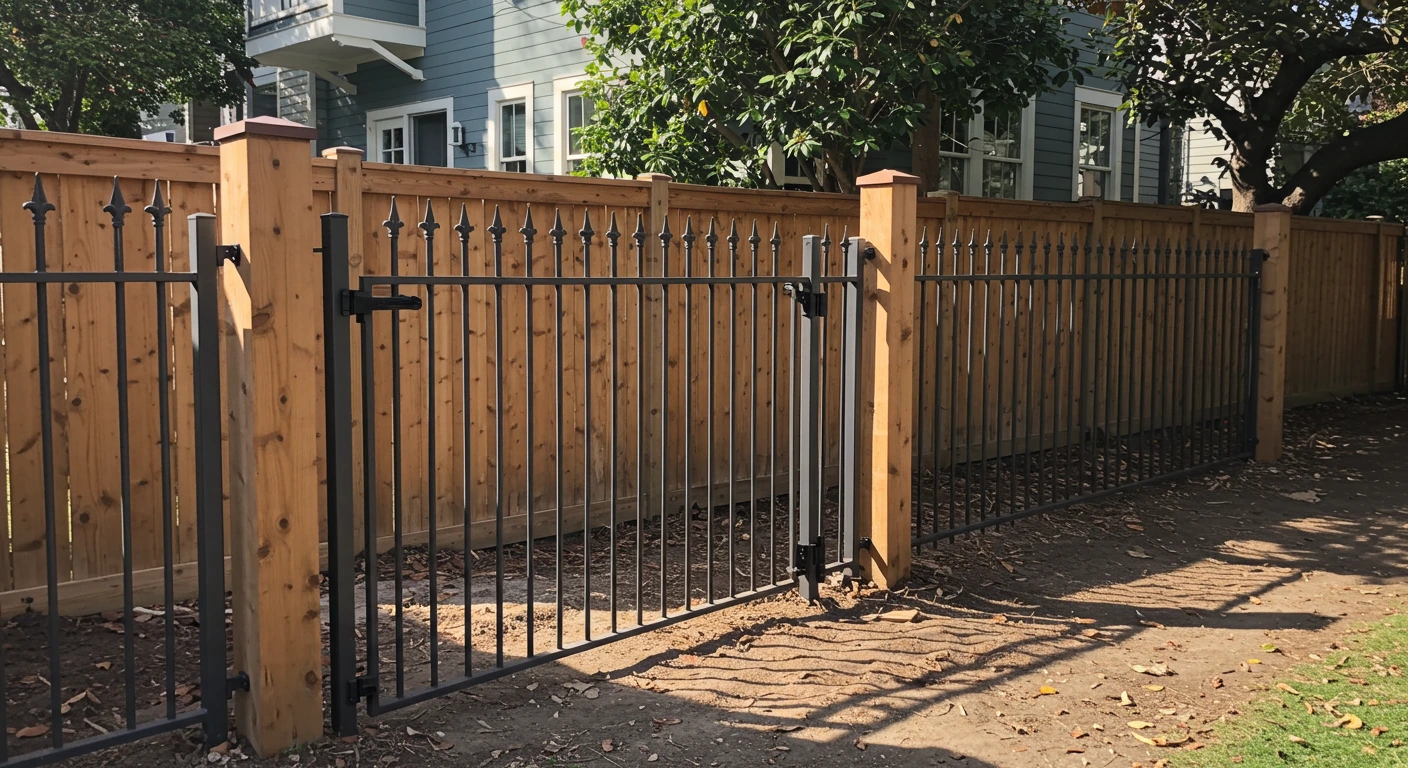
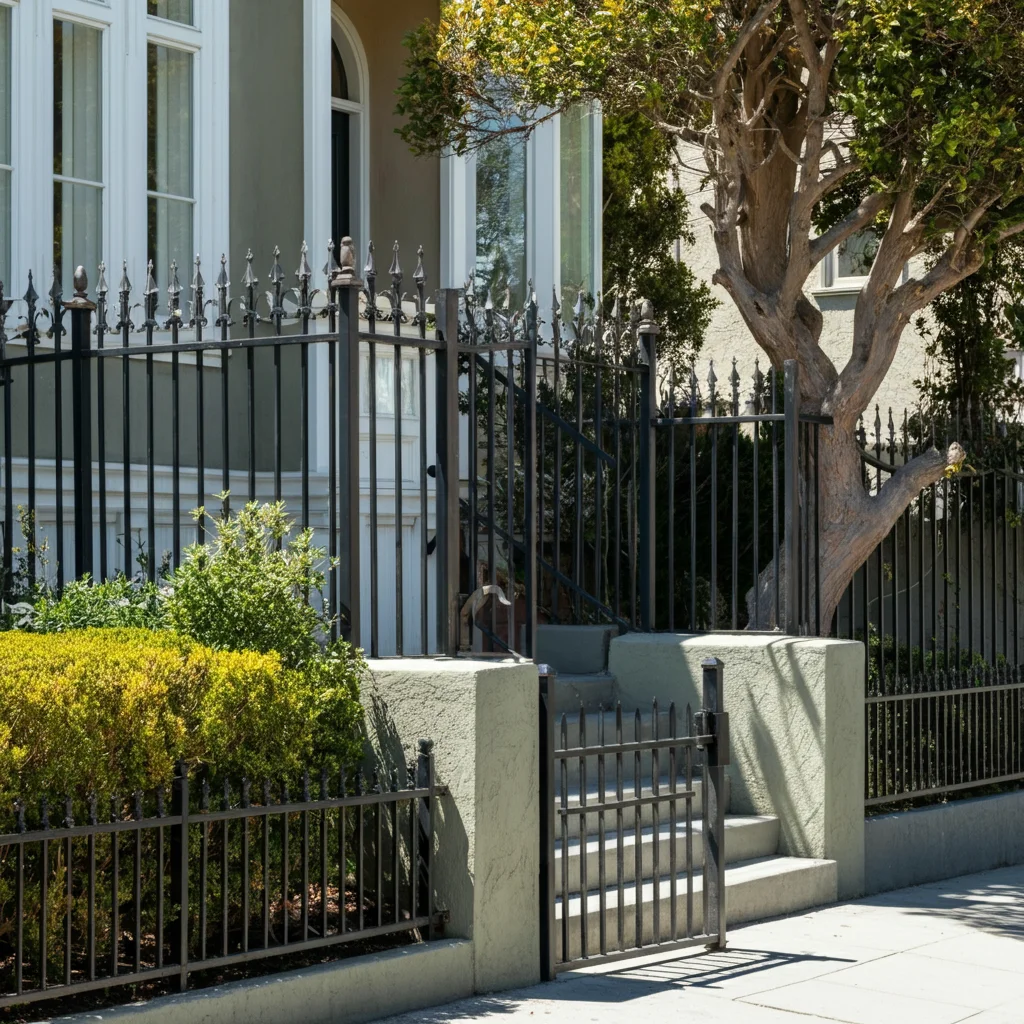
Wrought Iron Fencing
Wrought iron provides a classic, elegant look and is known for its strength.
- Pros: Highly durable, offers excellent security, and can be customized with various designs.
- Cons: Requires some maintenance to prevent rusting, and it can be more expensive than other materials.
Chain Link Fencing
Chain link is a practical fencing option that is often used for security purposes.
- Pros: Cost-effective, durable, and allows visibility while providing a boundary.
- Cons: Less aesthetic appeal and does not provide privacy without additional slats or covers.
Composite Fencing
Composite fencing is made from a mixture of wood fibers and plastic, providing a balance between wood’s appearance and vinyl’s durability.
- Pros: Low maintenance, resistant to rot and insects, and eco-friendly.
- Cons: Higher upfront cost and may not offer the same classic look as wood.
Assess Local Regulations and HOA Guidelines
Before finalizing your fence choice, it’s essential to check local zoning laws and any homeowners association (HOA) guidelines. Regulations may dictate:
- Height restrictions
- Material types allowed
- Setback requirements from property lines
Failing to adhere to these regulations can result in fines or the need to remove or alter your installation.
Plan for Installation
Once you’ve chosen the type of fence that meets your needs, it’s time to plan for installation. Consider whether you will hire a professional or tackle the project yourself.
- Hiring a Professional: If you choose to hire a contractor, ensure they are experienced and reputable. Ask for references and review their past work to ensure they align with your standards. At Sam’s Iron Fence Company, we offer premium craftsmanship and proven results for all types of fencing installations. Learn more about our services to see how we can assist you.
- DIY Installation: If you decide to install your fence yourself, make sure you have the necessary tools and materials. Also, familiarize yourself with the installation process specific to your chosen fencing type. Many manufacturers provide detailed guides to help with DIY projects.
Maintain Your Fence
Regardless of the type of fence you choose, regular maintenance is crucial for longevity. Here are some maintenance tips for different materials:
- Wood: Regularly inspect for signs of rot or insect damage. Re-stain or paint as needed to protect the wood.
- Vinyl:Clean with soap and water to prevent mildew and discoloration.
- Wrought Iron: Inspect for rust and apply a protective coating to prevent corrosion.
- Chain Link: Ensure the tension is tight and check for any rust spots.
- Composite: Clean with a gentle cleaner to remove dirt and debris.
Conclusion
Choosing the right fence for your home in San Rafael involves careful consideration of your needs, local conditions, material options, and regulations. By taking the time to assess these factors, you can select a fence that not only enhances your property’s appearance but also provides the security and functionality you desire. For more information on our fencing solutions, feel free to contact us today!