
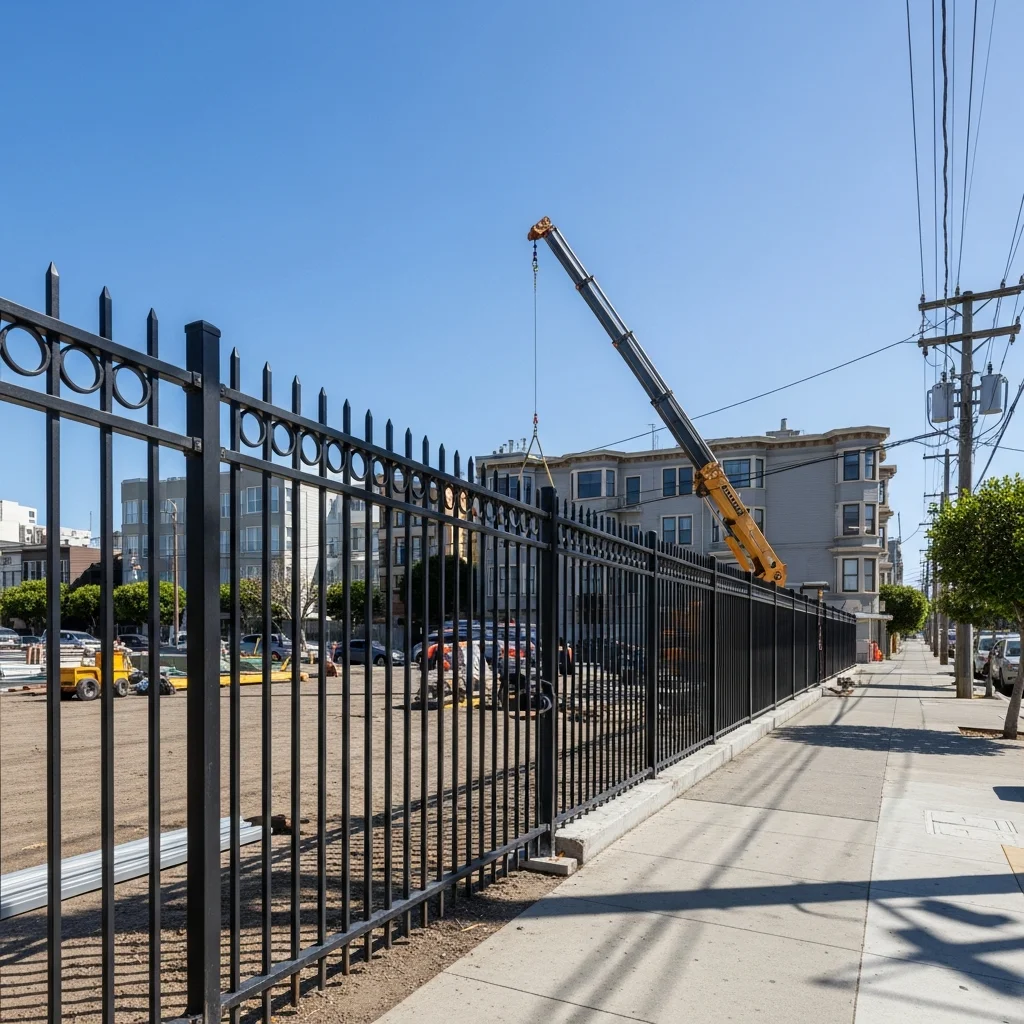
Iron fencing brings elegance, security, and enduring value to properties across San Francisco. However, homeowners and commercial property managers in historic districts face a unique set of challenges when planning new fencing projects. With strict guidelines designed to preserve the city’s architectural heritage, installing iron fencing in San Francisco’s historic neighborhoods requires both careful planning and a deep understanding of local regulations.
Working within these parameters is essential not only for compliance but also for maintaining the character and value of your property. Drawing on years of experience with historic projects throughout the Bay Area, the team at Sam’s Iron Fence Company is here to guide you through every stage of the process, from initial concept to final approval and installation.
Understanding Historic District Rules for Iron Fencing
San Francisco’s historic districts, such as Pacific Heights, Alamo Square, and the Castro, are protected by local ordinances and, in some cases, federal preservation standards. The San Francisco Planning Department and local Historic Preservation Commission oversee changes to properties in these areas, including the installation or replacement of fences.
- Key points property owners should be aware of include:-Contributing vs. Non-Contributing Properties: Buildings are designated as “contributing” if they add to the historic significance of a district. Fencing changes on these properties are more tightly regulated than on non-contributing buildings.
- Design Consistency: New iron fences must be consistent with the district’s historic character, materials, and proportions.
- Permit Requirements: Most exterior changes, especially in visible locations, require permits and sometimes a Certificate of Appropriateness from preservation boards.
Understanding your property’s status and the specific guidelines for your district is the first step toward a compliant and successful fencing project.
Common Requirements for Iron Fencing in Historic San Francisco Neighborhoods
While each district may have its own nuances, several requirements are common across San Francisco’s historic neighborhoods:
- Material Authenticity: Wrought iron or steel is typically preferred, mimicking the look of original 19th and early 20th-century fences.
- Design Limitations: Ornamental details, picket spacing, fence height, and post caps are often specified to match historic patterns.
- Color and Finish: Black or dark green finishes are most commonly approved, as they reflect traditional ironwork.
- Visibility and Placement: Fences must usually be placed at or behind the historic property line and not obstruct significant architectural features.
These requirements help preserve the look and feel that make San Francisco’s historic districts unique, while still allowing for modern security and durability.
Navigating the Approval Process: Step-by-Step
Bringing your fencing vision to life in a historic district involves more than choosing a style and scheduling installation. Here’s a step-by-step guide to ensure your project moves smoothly:
- Research Your District’s Specific Guidelines
Begin by consulting the San Francisco Planning Department website for documentation on your district. Identify whether your property is listed as contributing or non-contributing, and gather any available design guidelines.
- Consult With Preservation Experts
Schedule a pre-application meeting with the Historic Preservation Commission or your local planning office. These sessions are invaluable for clarifying expectations and avoiding costly design missteps.
- Work With an Experienced Fence Contractor
Partnering with a contractor who specializes in historic iron fencing, like Sam’s Iron Fence Company, ensures your design meets both aesthetic and regulatory requirements. We’re familiar with San Francisco’s permitting process and can help prepare the required documentation.
- Prepare and Submit Your Application
Most installations will require:
- Detailed design drawings
- Material samples
- Site photos and property surveys
Your contractor can help assemble a submission package that highlights compliance with district guidelines.
- Respond to Commission Feedback
The Historic Preservation Commission may request adjustments to your proposed design. Be prepared to revise plans or provide additional information.
- Obtain Permits and Schedule Installation
Once approved, secure all necessary permits before any work begins. Your fencing specialist will coordinate the installation to ensure full compliance.
Tips for Designing Iron Fencing That Honors Historic Character
Achieving a fence that both enhances your property and satisfies preservation requirements is an art. Here are practical tips to guide your design process:
- Reference Historic Patterns: Study original fencing in your district. Common motifs include spear-topped pickets, decorative scrollwork, and cast-iron finials.
- Keep Proportions in Mind: Fence height and picket spacing should be proportional to the building and surrounding landscape.
- Opt for Subtle Ornamentation: Overly ornate designs can detract from historic character. Choose classic styles that blend with period architecture.
- Select Durable, Authentic Materials: Traditional wrought iron is rare today, but modern steel or aluminum can replicate its appearance while offering superior durability. Our residential iron fence solutions are built to last and crafted to complement historic properties.
- Mind the Details: Small elements like post caps, rail profiles, and gate hardware should reflect the era of your home or building.
- Consider Paint and Finish: Most historic districts favor matte or semi-gloss finishes in dark hues.
Working with Local Preservation Boards
Open communication with your local preservation board or the San Francisco Planning Department is essential throughout your project. Key strategies include:
- Early Engagement: Don’t wait until your design is finalized to reach out. Early input can help you avoid time-consuming revisions.
- Documentation: Maintain clear records of all communications, approvals, and changes.
- Transparency: Be upfront about your goals for security, privacy, or aesthetics, and listen to the board’s feedback on how to achieve these within the guidelines.
Experienced contractors can act as liaisons, translating technical requirements and advocating for solutions that work for both the property owner and the district’s preservation mission.
Why Professional Expertise Matters in Historic Fence Projects
Installing iron fencing in San Francisco’s historic districts is a specialized task that benefits greatly from professional guidance. Here’s why working with an expert team is essential:
- In-Depth Knowledge: Historic guidelines are nuanced and vary from district to district. A knowledgeable contractor navigates these complexities efficiently.
- Custom Fabrication: Off-the-shelf fencing rarely meets historic standards. Custom fabrication ensures every detail matches period-appropriate design.
- Streamlined Approval Process: Professionals know how to present plans, interpret feedback, and expedite the permitting process.
- Quality Craftsmanship: The right installer provides not just compliance, but also exceptional workmanship that enhances your property’s value.
At Sam’s Iron Fence Company, our commitment to premium craftsmanship and proven results has made us a trusted partner for historic projects across the Bay Area. From intricate scrollwork to robust welded mesh security options, we blend tradition with innovation for lasting beauty and strength.
Essential Considerations for Ongoing Maintenance
Once your historic district iron fence is installed, regular maintenance is key to preserving its appearance and structural integrity. Owners should:
- Inspect regularly for rust, peeling paint, or loose hardware.
- Clean surfaces gently to prevent buildup of dirt and debris.
- Repaint or touch up finishes as needed to maintain compliance with historic color requirements.
Explore our guide to maintaining your iron fence for expert advice on maximizing the lifespan and beauty of your investment.
Take the Next Steps for Your Historic District Iron Fence Project
Navigating the rules for installing iron fencing in San Francisco’s historic districts doesn’t have to be overwhelming. With the right preparation, expert guidance, and a commitment to honoring the city’s architectural legacy, you can achieve a fence that protects your property and enhances its historic character.
Ready to get started? Reach out to Sam’s Iron Fence Company for a consultation and learn how our team can support your project from the earliest planning stages through to final installation. We’re proud to serve the entire Bay Area with tailored solutions for both residential and commercial properties. For more inspiration, view our iron fence gallery or connect with our team for personalized advice designed for historic district compliance.