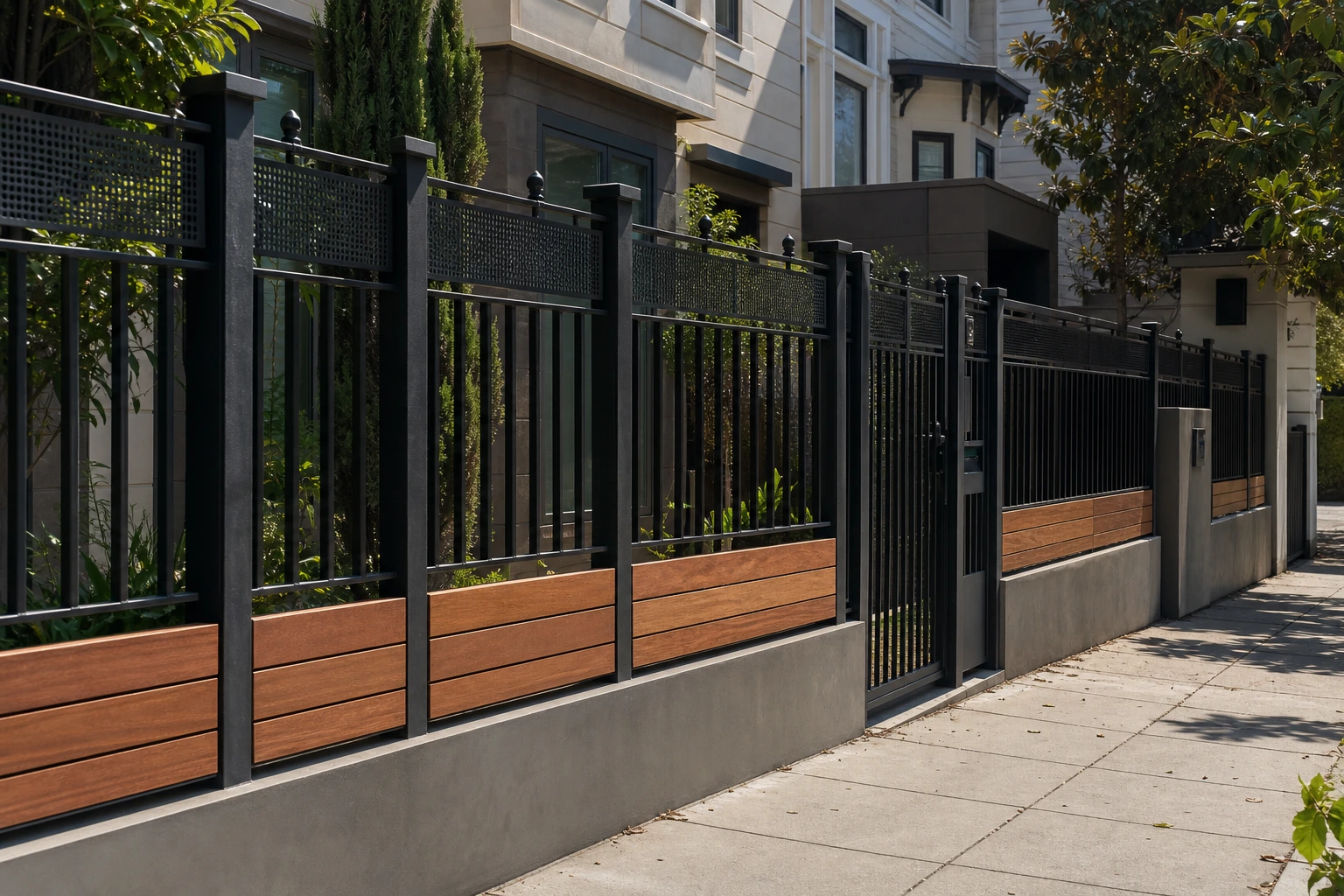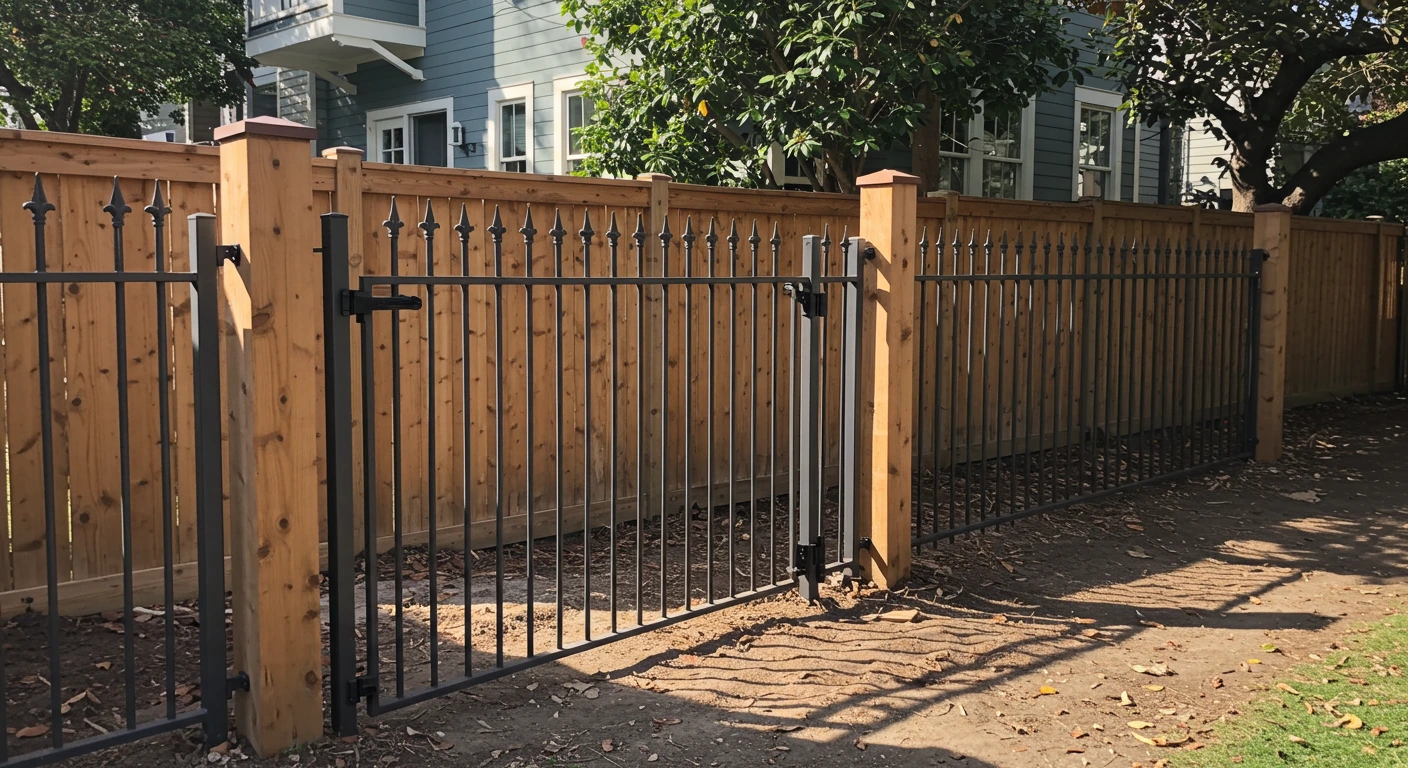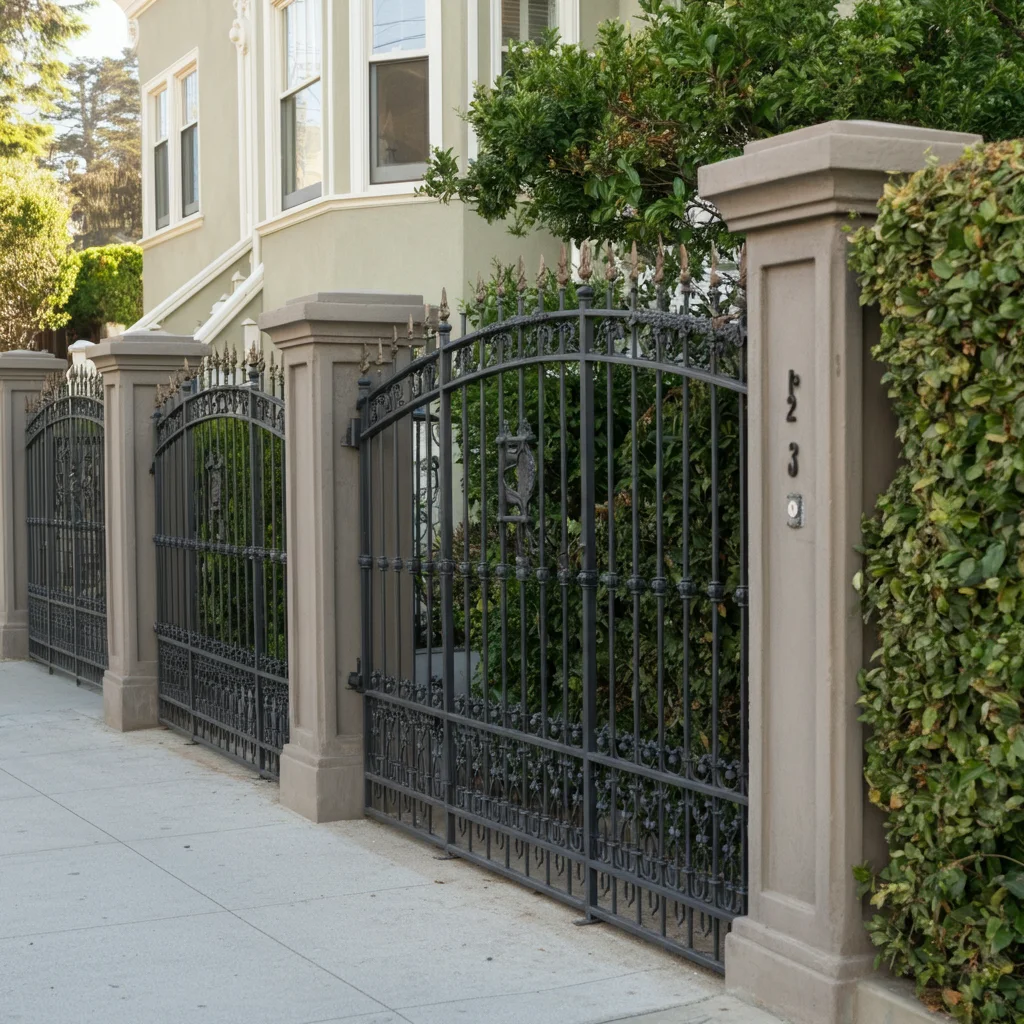
Hiring a fence contractor is one of those decisions that looks simple at first, then gets more complicated the moment estimates start coming. Two companies can promise a strong, attractive fence, yet the finished results may differ in alignment, weld quality, gate performance, coating durability, and long-term reliability. For homeowners and property managers, the real challenge is not just finding a contractor who can install a fence, but finding one who will build it with care, precision, and lasting value.
That is especially true for iron fencing, where quality workmanship shows up in the details. A fence can look great on day one and still develop avoidable problems if the posts were set poorly, the materials were undersized, or the finish was not suited for moisture, salt air, or sun exposure. Asking better questions early helps you compare contractors on substance, not just price. It also helps you avoid vague promises, rushed timelines, and expensive corrections later.
Start with Questions About Experience That Actually Matter
Years in business matter, but they do not tell the whole story. A contractor may have general fencing experience without having strong experience in custom iron work, difficult site conditions, or code-sensitive installations. Instead of asking only how long they have been in business, ask what kinds of fencing projects they handle most often and what challenges they regularly solve.
A useful conversation should tell you whether the contractor understands layout accuracy, grade changes, gate alignment, hardware selection, and finish protection. If your property has a slope, retaining walls, existing masonry, or architectural details worth matching, the contractor should be able to explain how they approach those conditions without speaking in vague terms.
- Ask questions such as:-What percentage of your work involves iron fencing? This helps separate specialists from general installers.
- Do you fabricate custom sections or mainly install pre-made panels? The answer affects design flexibility and fit.
- Have you worked on properties with slopes, tight access, or unusual layouts? Site experience often affects finish quality.
- Can you show examples of residential iron fence installation projects similar to mine? Relevant past work matters more than a broad photo gallery.
- What kinds of gates do you install most often, and how do you prevent sagging or misalignment? Gate performance is one of the clearest signs of workmanship.
If you want to compare what a specialized iron solution looks like, reviewing examples of residential iron fence installation can help you understand the level of detail and finish quality to ask about during contractor interviews.
Ask How They Evaluate Your Property Before Pricing the Job
A reliable estimate starts with a real site assessment. If a contractor gives a firm quote without checking elevation changes, soil conditions, access issues, utility conflicts, or exact measurements, that should raise concerns. Quality workmanship begins before fabrication or installation starts. It begins with how thoroughly the contractor studies the site.
A good contractor should explain how they measure, what they look for, and whether the design will need adjustments based on your property. On uneven terrain, for example, the right layout can mean the difference between a fence that follows the grade neatly and one that leaves awkward gaps. On older properties, hidden issues like aging concrete, irregular lot lines, or worn gate openings can affect the plan.
- Ask for clear answers to these questions:-Will you perform an on-site measurement before finalizing the quote?-What site conditions could change the design or cost?-How do you handle slopes, corners, and transitions around stairs or driveways?-Will you mark post locations and confirm gate swing clearance before installation begins?-Do you check for drainage, soil stability, or corrosion risks in exposed areas?
this stage. They know that careful planning protects both appearance and structural performance.
Pin Down the Materials, Not Just the Marketing Words
Terms like "premium," "heavy-duty," and "high quality" sound reassuring, but they do not tell you much unless the contractor defines them. One of the most important questions to ask fencing contractors for quality workmanship is exactly what materials they use and why. Material quality affects not only strength, but also rust resistance, weld stability, maintenance needs, and overall lifespan.
Ask what gauge or wall thickness is being used, whether components are solid or hollow, what coating system is included, and what type of hardware will be installed on the gates. If the contractor cannot explain the material package clearly, it becomes difficult to compare proposals fairly.
- Key material questions include:-What type of iron or steel are you using for rails, pickets, and posts?-What post size do you recommend for this fence height and gate weight?-Are the panels welded in-house, factory-made, or assembled on site?-What coating or finish protects the metal from rust?-What kind of hinges, latches, and fasteners are included?-If repairs are needed later, will matching materials still be available?
This matters even more for security-focused projects. If your goal includes strength, visibility, and perimeter protection, it helps to review options like residential security fence installation so you can ask more informed questions about post spacing, hardware, and structural design.
Get Specific About Fabrication and Installation Standards
Many homeowners do not know what quality workmanship looks like until someone points it out. That is why fabrication and installation questions are so important. A contractor should be able to explain how they maintain straight lines, consistent spacing, clean welds, stable footings, and smooth gate operation.
The way a contractor answers here often reveals whether they take pride in craft or simply aim to finish quickly. Strong workmanship is visible in details such as uniform picket spacing, properly finished weld points, level top rails, and gate hardware that closes smoothly without forcing or dragging.
Ask about their standards in plain language:
- How do you make sure the fence stays straight and level across the full run?Ask about their standards in plain language: 1. How do you make sure the fence stays straight and level across the full run?
- How deep are your post footings, and does that change based on soil or fence height?
- How do you protect cut or welded areas from corrosion after fabrication?
- Do you fabricate gates to fit the opening exactly, or adjust them on site?
- How do you test gate alignment and latch performance before finishing the job?
- What steps do you take to avoid damage to landscaping, paving, or adjacent structures?
You are not looking for rehearsed sales language. You are looking for practical, jobsite-level answers. A contractor who builds quality fences every week should be comfortable talking through these details.
Ask Who Will Actually Be Doing the Work
A polished estimate can create a false sense of security if the company sending it is not the same team doing the installation. Some contractors sell the job, then subcontract most or all of the work. That does not automatically mean the result will be poor, but it does mean you should ask who is responsible for quality control.
Knowing the job structure helps you understand communication, accountability, and consistency. It also tells you whether the crew has experience with the specific type of fence you are buying.
- Important questions include:-Will your in-house crew install the fence, or do you use subcontractors?-Who supervises the project on site each day?-Who is my point of contact if I have questions during installation?-How often does the estimator or project manager visit the jobsite?-Who handles final walkthroughs and punch-list items?
A family-owned contractor with a hands-on approach often stands out here because the communication is usually more direct and the standards are more consistent. If you want a better sense of the company behind the work, take time to read about Sam’s Iron Fence Company and its approach to premium craftsmanship.
Review Permits, Codes, and Property-Line Questions Early
Workmanship is not only about how a fence looks. It is also about whether it is installed in the right place, at the right height, and in a way that meets local requirements. A contractor who ignores permit questions or leaves all code interpretation to the homeowner may expose you to delays, neighbor disputes, or costly corrections.
This is especially important for front-yard fencing, pool barriers, corner lots, and commercial properties. Setbacks, visibility rules, gate requirements, and height limits can all affect the design.
- Ask these questions before signing:-Do you handle permit applications if one is required?-How do you verify setback rules or fence height limits?-Will you help confirm the fence line if the property boundary is unclear?-Do you coordinate utility marking before digging?-If code requirements affect the design, will that be shown in the proposal?
A contractor who treats these issues seriously is often the same kind of contractor who treats construction details seriously.
Compare Estimates for Clarity, Not Just Cost
A low bid can be attractive, but the cheapest estimate is often the least detailed. One proposal may include heavier posts, better hardware, and finish protection, while another leaves those details out entirely. Without asking the right questions, you may think you are comparing equal options when you are not.
Ask each contractor to break down what is included. A clear proposal should explain fence length, height, style, gate count, material type, finish, installation scope, and cleanup. It should also note what is excluded, such as demolition, hauling, permit fees, or masonry repairs.
- Look for answers to these points:-What exactly is included in the quoted price?-Are demolition and disposal of the old fence part of the bid?-Does the estimate include gates, hardware, and finish protection?-What could trigger added costs after the project starts?-Will I receive a written scope of work before I sign?
Quality contractors know that clear paperwork protects both sides. If the estimate is vague, the project may be too.
Ask About Warranty Coverage and Long-Term Support
A workmanship warranty says a lot about how confident a contractor is in the quality of the installation. It also gives you a clear path if problems come up after completion. Ask what is covered, how long the coverage lasts, and what the process looks like if you need an adjustment or repair.
This is especially important for gates, moving hardware, coatings, and alignment issues. A contractor should be willing to explain the difference between manufacturer material warranties and their own labor warranty.
- Questions worth asking include:-What is covered under your workmanship warranty?-Are gate adjustments included if settling occurs after installation?-Is the finish covered against early failure or rust issues?-How quickly do you respond to service calls?-Do you offer maintenance or repair support after the installation is complete?
A contractor focused on long-term value will not treat the job as finished the moment the final invoice is paid.
Use References and Past Work to Verify the Answers
Every contractor can promise quality. The stronger test is whether past customers describe a job that stayed solid, looked clean, and held up well over time. Ask for references from projects similar in size and style to yours. Better yet, ask for photos of completed work that show details up close, not just wide shots taken from the street.
When speaking with references, go beyond asking whether they were happy overall. Ask whether the crew arrived on time, protected the property, communicated clearly, and handled follow-up well. Also ask how the fence is performing months or years later.
- Good reference questions include:-Did the final fence match the proposal and design?-Were there any issues with gates, alignment, or finish after installation?-How well did the crew communicate and clean up?-Was the project completed on the promised timeline?-Would you hire the same company again?
Those answers usually reveal more than a sales presentation ever will.
Move Forward With a Contractor Who Welcomes Detailed Questions
when homeowners ask detailed questions. They expect them. In fact, good questions often lead to better projects because expectations are clear from the beginning. If a contractor avoids specifics, rushes the conversation, or pressures you to sign before details are explained, that is useful information.
A strong contractor should leave you feeling informed, not rushed. You should understand the materials, timeline, installation process, warranty, and who will be responsible for the work from start to finish. That clarity is one of the clearest early signs of quality workmanship.
If you are ready to talk through options for a new fence, gate, or custom iron project, you can request a quote through free estimate and consultation with Sam’s Iron Fence Company. A thoughtful conversation at the start can save time, money, and frustration later, and it often leads to a fence that performs as well as it looks.