
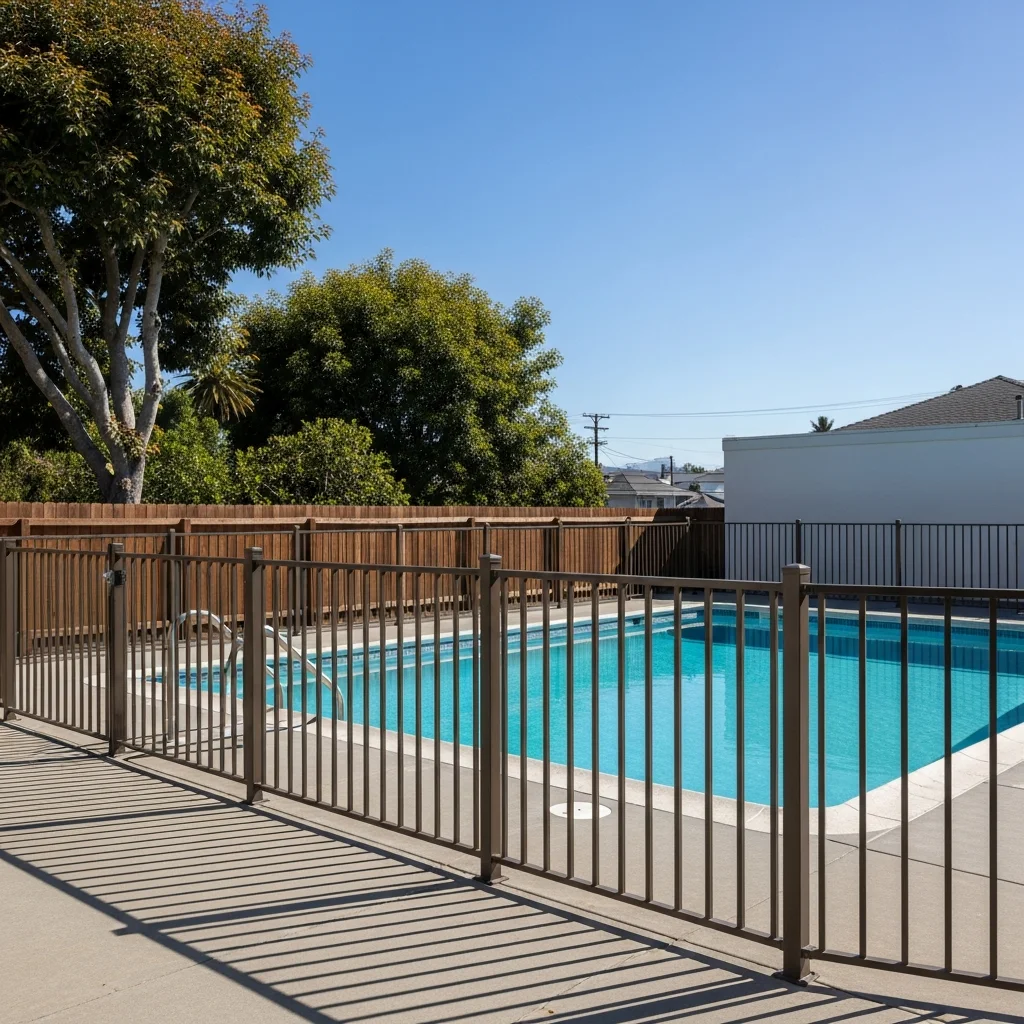
In the vibrant city of San Francisco, safeguarding your home, particularly around pools, is of utmost importance. As the popularity of residential pools continues to rise, understanding local pool fencing regulations is essential for homeowners. These regulations not only ensure safety but also enhance the aesthetic value of your property. Having a proper pool fence can prevent accidents, especially involving children and pets, making compliance with these regulations crucial.
Importance of Pool Fencing
- Pool fencing serves several key purposes:-Safety: The primary function of a pool fence is to prevent unauthorized access to the pool area, particularly by young children and pets. A well-constructed fence can significantly reduce the risk of accidents.
- Liability Protection: In the event of an accident, having a compliant pool fence can protect homeowners from legal liabilities. If a child were to gain access to a pool and have an accident, the absence of a proper fence could lead to serious legal consequences.
- Property Value: A stylish and functional pool fence can enhance your property's curb appeal. It showcases the pool area as a well-thought-out extension of your home.
Understanding local regulations regarding pool fences will help ensure that your fencing solution meets all safety standards while enhancing the overall beauty of your property.
Overview of San Francisco Pool Fencing Regulations
San Francisco has specific requirements when it comes to pool fencing. These regulations help maintain safety standards and ensure that all pool installations are compliant with state and local laws. Key aspects of the regulations include:
- Height Requirements:
- Pool fences must be at least 5 feet high. This height is intended to deter children from climbing over the fence.
- Gate Specifications:
- Gates must be self-closing and self-latching. The latch should be located at least 54 inches above the ground to prevent children from opening the gate.
- Distance from the Pool:
- The fence should be placed at a minimum distance of 5 feet from the pool’s edge. This buffer zone is crucial for safety and maintenance access.
- Materials:
- The materials used for the fence must be durable and resistant to the elements. Common materials include wrought iron, aluminum, or vinyl. Wood is not recommended unless it is specially treated to resist moisture and decay.
- Visibility and Design:
- Fencing should not obstruct the view of the pool from the house. This visibility is critical for monitoring children and ensuring their safety while they play.
- Non-Climbable Features:
- The fence should not have any horizontal bars or protrusions that could be used as a foothold for climbing.
- Permits:
- Homeowners must obtain a permit before installing a pool fence. This process usually includes submitting plans for the fence to the city for approval.
Understanding these regulations is the first step in ensuring your pool area is safe and compliant. Failing to adhere to these guidelines can result in fines and, more importantly, increased risk of accidents.
Compliance and Safety Standards for Pool Fencing
Compliance with safety standards is essential for any pool owner. Below are important safety considerations that every homeowner should keep in mind:
- Regular Inspections: Conduct routine inspections of your pool fence to ensure it remains in good condition. Look for any signs of wear, damage, or rust that could compromise its integrity.
- Professional Installation: It is advisable to hire professionals for the installation of your pool fence. Experts can ensure that your fence meets all local regulations and is installed correctly.
- Child Safety Locks: In addition to self-closing gates, consider installing child safety locks on gates and doors that lead to the pool area. These locks provide an additional layer of security.
- Educate Children: Teach children about the dangers of swimming pools and the importance of staying away from the pool area without adult supervision.
- Emergency Preparedness: Keep life-saving equipment, such as a rescue pole and flotation devices, near the pool. Ensure that all family members know how to use them in case of an emergency.
Choosing the Right Pool Fence
When selecting a pool fence, consider the following factors:
- Material: Choose a material that suits your aesthetic preferences while meeting safety standards. Options include:
- Wrought Iron: Offers durability and a classic look.
- Aluminum: Lightweight and resistant to rust.
- Vinyl: Low maintenance with a variety of design options.
- Design: The design of the fence should complement your home’s architecture. Consider:
- Transparent Fencing: Materials like glass can provide safety without obstructing views.
- Ornamental Fencing: Adds a decorative touch while ensuring safety.
- Budget: Determine your budget before making a choice. While it is tempting to opt for the cheapest option, investing in a quality fence can save you money in the long run by reducing maintenance and replacement costs.
- Local Regulations: Always check local regulations before making a purchase. Ensure that your chosen fence meets or exceeds the required standards.
- Professional Consultation: Consulting with a fencing expert can provide valuable insights into the best options for your needs. Visit our service areas services for more information on our offerings.
Installation and Maintenance
Once you have selected the right pool fence, the next step is installation. Here are some key considerations:
- Hire Professionals: Always opt for professional installation to ensure compliance with local regulations and safety standards.
- Follow Manufacturer’s Instructions: Make sure that the installation follows the manufacturer’s guidelines to maintain the warranty and ensure the fence's longevity.
- Regular Maintenance: Keep the fence clean and free from debris. Regularly check for any loose parts or rust, and make repairs as necessary.
- Seasonal Checks: Perform thorough inspections before the swimming season begins and after it ends to ensure everything is in working order.
Conclusion
Understanding the regulations surrounding pool fencing in San Francisco is crucial for ensuring safety and compliance. By investing in a quality pool fence, homeowners can protect their loved ones while enhancing the beauty of their property. Always consult with professionals to navigate the complexities of local laws and choose the best fencing solution for your home. For more information on our pool fence installation services, contact us today to get started on your project.